
HOMENEWS & INSIGHTS
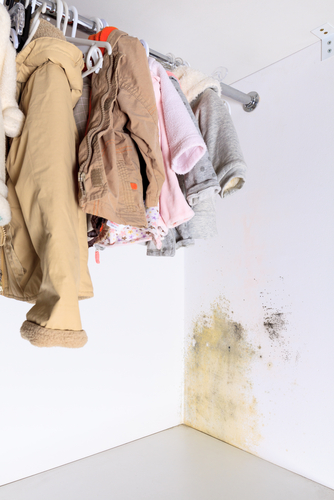
Awaab’s Law and the Private Rental Sector: What Landlords Need to Know
November 10, 2026
Awaab’s Law requires social landlords in England to investigate and fix dangerous damp, mould and other hazards within fixed timescales. The Renters’ Rights Act 2025 provides for the law to be extended to private rented tenancies, but those additional duties are not yet in force. The government is consulting on the detail, and private landlords should review their repair arrangements now to prepare for the proposed changes This article explains what Awaab’s Law is, where private landlords currently stand, what changes to expect, and the practical steps you can take to prepare.
What is Awaab’s Law?
Awaab’s Law is named after Awaab Ishak, a two-year-old boy who died in 2020 as a result of prolonged exposure to mould in his family’s social housing flat in Rochdale. His death prompted widespread public concern about how housing providers respond to hazards like damp and mould and led directly to new legal duties being introduced through the Social Housing (Regulation) Act 2023.
In practical terms, Awaab’s Law sets strict timescales for landlords to investigate and fix hazards that could seriously harm tenants’ health. Social landlords, for example, must investigate reported hazards within a fixed number of working days and begin repairs within a further set period, with emergency hazards requiring even faster action. The law also requires landlords to keep tenants informed throughout the process, rather than leaving them chasing updates.
The core principle behind Awaab’s Law is simple – tenants shouldn’t have to live with dangerous conditions while landlords take their time deciding what to do about it.
What is the current status of Awaab’s Law for private landlords?
As at November 2026, Awaab’s Law applies to the social rented sector. Private landlords are not yet legally bound by its specific timescales and investigation duties.
That said, private landlords already have legal duties concerning disrepair and housing conditions. Sections 11 and 9A of the Landlord and Tenant Act 1985 impose repairing and fitness-for-human-habitation obligations in applicable tenancies (the latter having been introduced by the Homes (Fitness for Human Habitation) Act 2018). Separately, the Housing Act 2004 allows local authorities to assess and enforce housing hazards using the Housing Health and Safety Rating System (HHSRS). Existing obligations can require prompt action; Awaab’s Law would introduce more specific deadlines..
Section 60 of the Renters’ Rights Act 2025 provides for Awaab’s Law to extend to relevant private rented tenancies, but that section has not yet come into force. On 9 October 2026, the government opened a consultation on which hazards, deadlines and other requirements should apply. It closes on 18 December 2026. The government has said that 2027 is the earliest feasible date for implementation, not a confirmed start date.
What changes are expected for private landlords under Awaab’s Law?
It is likely we will see obligations broadly mirroring those already in place for social housing, including:
- Fixed investigation timescales – a requirement to investigate potential significant hazards within a set number of working days of becoming aware of them.
- Fixed repair timescales – a requirement to start (and in some cases complete) repairs within a defined period once a hazard is confirmed.
- Emergency response duties – faster action required where a hazard poses an immediate risk to a tenant’s health or safety.
- Clear communication requirements – landlords will likely need to keep tenants updated in writing throughout the investigation and repair process, rather than leaving them in the dark.
- Record-keeping expectations – evidence that hazards were identified, investigated and addressed within the required timeframes.
The exact detail, including the hazards covered and specific timescales for private landlords, will be confirmed in secondary legislation. However, the underlying principle will match the social housing version of the law: timely action, not just eventual action.
What do private landlords need to do to comply with Awaab’s Law?
Preparation now will make the eventual transition far less disruptive. Private landlords should consider the following practical steps:
Review your reporting and repair processes. Can tenants easily report a hazard, and do you have a clear, documented process for logging and acting on that report? If repairs currently rely on informal phone calls or ad hoc arrangements, it’s worth formalising this now. If you use a managing agent, agree who receives reports, arranges inspections, instructs contractors and updates tenants; appointing an agent does not itself remove the landlord’s legal responsibilities.
Audit your properties for existing damp and mould risks. Proactively identifying issues before they’re reported puts you ahead of any future statutory deadline, and reduces the risk of a hazard escalating into an emergency.
Build in contractor capacity. Fixed timescales only work if you can actually get a contractor out within them. Consider whether your current supplier relationships can realistically meet tighter deadlines, particularly during busy periods like winter.
Improve your documentation. Keep clear records of tenant reports, inspection dates, findings, and repair timelines. This evidence will be essential both for demonstrating compliance and for defending your position if a dispute arises.
Communicate proactively with tenants. Even before any legal requirement bites, keeping tenants informed about the status of a repair reduces complaints, disputes, and reputational damage.
What are the consequences of non-compliance with Awaab’s Law?
In the social housing sector, failure to comply with Awaab’s Law can result in tenants taking legal action against their landlord, including claims for damages and compensation. Regulatory bodies can also take enforcement action against non-compliant landlords.
Private landlords should expect similarly serious consequences once the law extends to them. This is likely to include the ability for tenants to bring claims where hazards aren’t addressed within the required timescales, alongside potential enforcement action from local authorities. Non-compliance may also affect a landlord’s standing under broader renting reforms, including provisions relating to possession and property licensing.
Separately, tenants may be able to complain to the new Private Rented Sector Landlord Ombudsman once that service is established. The government currently expects landlords to be required to join the service in 2028. Beyond the legal risk, there’s a reputational cost to consider too. Tenants are increasingly aware of their rights, and a failure to act on a reported hazard can quickly become a public dispute, a negative review, or a costly tribunal case.
Getting ahead of Awaab’s Law
Awaab’s Law represents a meaningful shift in how seriously landlords are expected to treat hazards like damp and mould, and private landlords should assume these duties will apply to them in the near future. The sensible approach isn’t to wait for the legislation to land before making changes. Reviewing your current processes, tightening up your record-keeping, and building stronger contractor relationships now will put you in a far stronger position when the formal timescales arrive.
If you need any further information on this topic, please contact one of our landlord and tenant team today.
November 2026
This article is for general information only and does not constitute legal or professional advice. Please note that the law may have changed since this article was published.
Share article
Our offices
Contact Us
5 Poole Road
Bournemouth
Dorset
BH2 5QL
Tel 01202 377800
9 Poole Road
Bournemouth
Dorset
BH2 5QR
01202 377800
